


Climate Change Is Not a Con

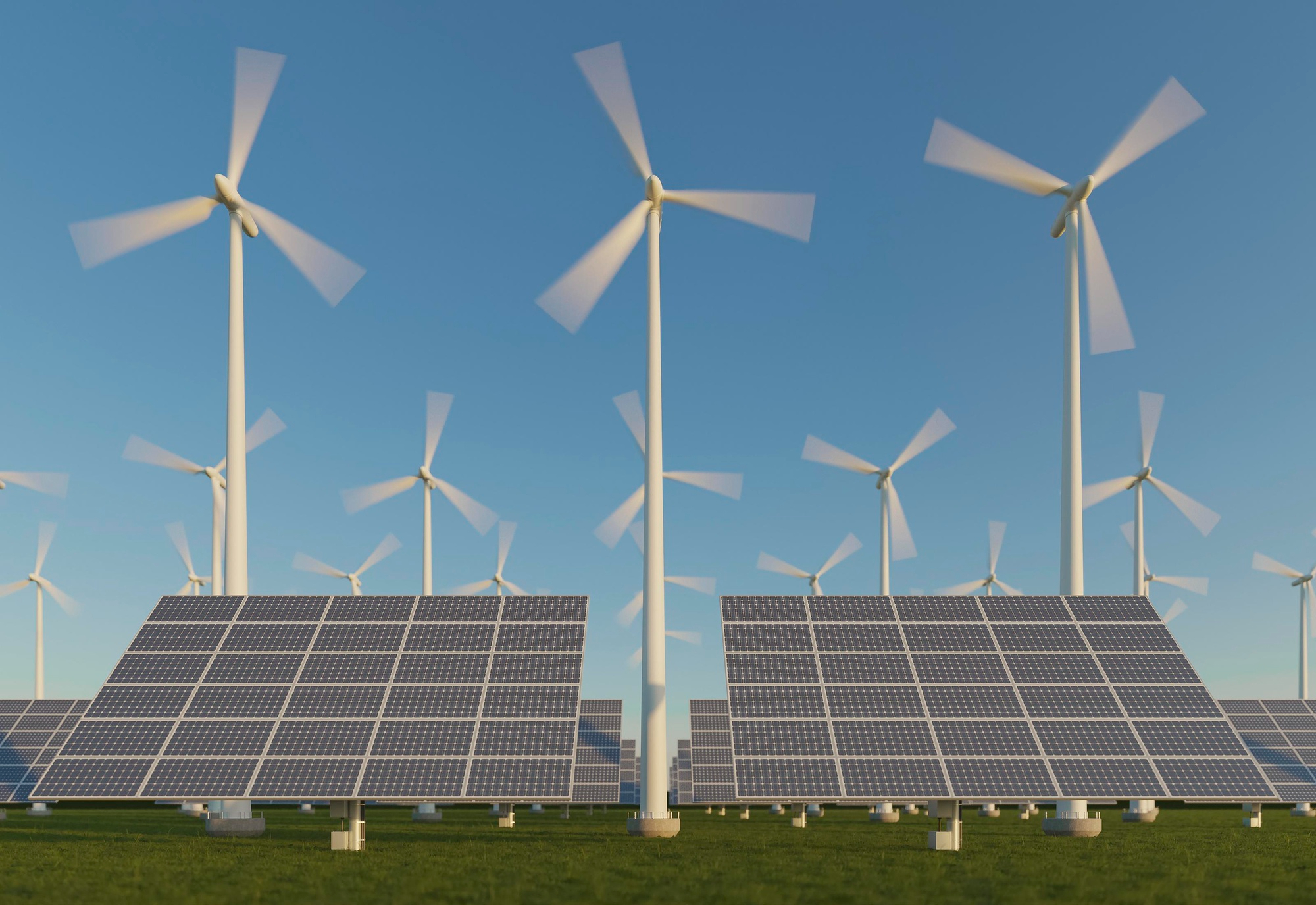
Why the Smart Money Backs Renewables
Distinguished colleagues, leaders, and fellow investors,
At the United Nations General Assembly, former U.S. President Donald Trump dismissed climate change as “the greatest con job in history” and warned that renewable energy is unreliable and harmful to the economy.
Let us be clear: those words may fill headlines, but they do not reflect the balance sheets, the markets, or the data. The financial community must rise above rhetoric. We must deal in evidence, in capital flows, in risk, and in opportunity.
As a global community, we face a simple truth: climate change is measurable, the science is overwhelming, and the costs of inaction are already upon us. The question before us is not whether we believe—it is whether we prepare.
1. Climate Change Is Proven and Measurable
Thousands of peer-reviewed studies confirm the link between human activity and rising global temperatures.
The IPCC and U.S. National Climate Assessment both conclude climate change is accelerating and already impacting infrastructure, supply chains, and public health.
The costs are quantifiable: record floods, wildfires, heatwaves. These are not projections—they are current liabilities.
Investors ignore this at their peril.
2. Renewable Energy Is Cheaper and Scalable
According to IRENA, 90% of new renewable projects now outcompete fossil fuels on cost.
Solar is 41% cheaper and wind 53% cheaper than fossil alternatives (2024 data).
Renewables already supply 40% of global electricity.
This is not ideology. This is economics.

3. Clean Energy Creates Jobs, Not Losses
In 2024, clean energy jobs grew three times faster than the overall U.S. economy.
Over 500,000 new jobs were added in the last five years, with 82% of new energy jobs in renewables.
This transition is not about loss—it is about repositioning labor for the industries of the future.
5. Fossil Fuels Are Becoming Stranded Assets
Coal produces 55% of U.S. power sector emissions but just 20% of its electricity.
Pollution costs translate into higher healthcare liabilities.
Global funds are steadily divesting as long-term returns collapse.
High-carbon portfolios are becoming value traps.

4. Global Leaders Are Accelerating
Germany already sources 60% of electricity from renewables, aiming for 80% by 2030.
China, the world’s largest coal user, still leads in renewable installations and now generates 20% of its power from solar and wind.
The direction is not retreat. It is acceleration.
The human toll is real—and rising.
6. Finance Is Pricing Climate Risk
125+ central banks under the Network for Greening the Financial System warn climate risk threatens financial stability.
BlackRock itself has stated: “Climate risk is investment risk.”
In 2024, sustainable bonds and loans reached $1.6 trillion.
Capital markets are sending a signal no politician can drown out.
7. Human Impacts Are Visible Today
Europe is warming at twice the global average.
Heat-related deaths, crop losses, and water stress are climbing.
The human toll is real—and rising.
Looking Ahead: Where Green Finance Will Be by 2030–2035

Based on market signals and growth trajectories, here is where we stand to be:
1. Scale: From $4.2 trillion in 2023 to nearly $30 trillion by 2033. Green finance will no longer be niche—it will be core.
2. Emerging Economies: 70% of needed green investment by 2030 must go to developing countries. Africa alone could see 3.3 million green jobs by 2030.
3. Instruments: Green bonds, sustainability-linked loans, carbon markets, ESG funds—all expanding at double-digit rates.
4. Sectors: Energy, clean transport, resilient infrastructure, agriculture, and water systems will absorb the bulk of flows.
5. Jobs: Millions of new roles in engineering, construction, manufacturing, and finance tied to the transition.
6. Policy: Stricter disclosure requirements, carbon pricing, and incentives will align capital markets with climate objectives.
By the mid-2030s, we will not be debating if green finance matters—it will be the backbone of the global economy.
Conclusion: From Rhetoric to Reality
Headlines may be captured by political theater, but markets are not governed by applause lines. They are governed by returns.
The facts are clear:
Sustainable investments are lower-risk and higher-growth.
- Fossil assets are declining in value.
- Renewables are competitive, job-creating, and global.
- This is not about ideology. It is about prudence. It is about fiduciary duty. And it is about responsibility to the generations who will inherit the systems we finance today.
- Climate change is not a hoax. It is the defining financial risk—and opportunity—of our time.
- The world must choose whether to invest in yesterday’s decline or tomorrow’s resilience.
- As a doctor in green finance, I can assure you: the smart money has already chosen tomorrow.